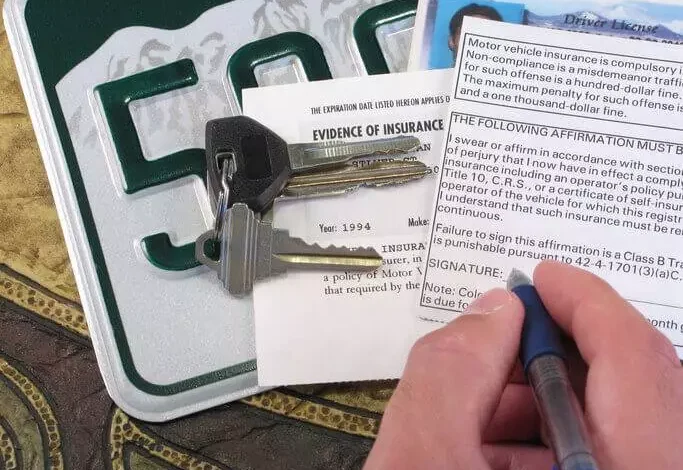
Vehicle registration is one of the most important legal requirements for drivers in Texas. Whether you own a car, truck, motorcycle, or commercial vehicle, understanding the texas vehicle registration legal status rule helps ensure that your vehicle remains compliant with state laws and avoids unnecessary penalties. Registration serves as proof that a vehicle is legally recognized by the state and authorized for operation on public roads.
In recent years, Texas has introduced updates to registration and inspection-related procedures, making it even more important for vehicle owners to stay informed. Drivers who fail to meet registration requirements may face fines, difficulties during traffic stops, and complications when selling or transferring a vehicle. Understanding current regulations can help motorists avoid legal issues and maintain uninterrupted driving privileges.
This guide explains the texas vehicle registration legal status rule, including registration requirements, legal obligations, renewal procedures, penalties, exemptions, and important updates affecting Texas drivers in 2026.
Understanding the Texas Vehicle Registration Legal Status Rule
The texas vehicle registration legal status rule refers to the legal framework governing how vehicles must be registered, maintained, renewed, and verified within the state. Registration establishes a connection between the vehicle, its owner, and state authorities. This process allows Texas agencies to identify vehicles, collect applicable fees, and ensure compliance with transportation regulations.
When a vehicle is registered, the owner receives registration documentation and validation that confirms the vehicle’s legal status. Law enforcement officers use registration records to verify ownership and determine whether a vehicle is authorized for operation on Texas roads. Registration information also plays an important role during insurance claims, title transfers, and vehicle sales.
The rule applies to most vehicles operated on public roads, including passenger cars, motorcycles, pickup trucks, trailers, and certain commercial vehicles. Registration requirements vary depending on vehicle type, ownership status, and county-specific regulations.
Why Vehicle Registration Matters in Texas
Vehicle registration is not simply an administrative requirement. It serves several important legal and practical functions that affect both drivers and government agencies.
First, registration helps establish vehicle ownership records. Accurate records assist authorities in identifying owners in cases involving theft, accidents, or legal disputes. Second, registration fees contribute to transportation infrastructure projects, helping maintain roads, bridges, and public transportation systems throughout Texas.
Registration also supports public safety initiatives. State agencies can identify vehicles with compliance issues and ensure that required insurance coverage remains in effect. By following the texas vehicle registration legal status rule, drivers contribute to a safer and more accountable transportation system.
Registration Requirements for Texas Vehicle Owners
To legally register a vehicle in Texas, owners must meet several requirements. These requirements ensure that the vehicle and owner satisfy state standards before registration is approved.
Basic Eligibility Requirements
Most vehicle owners must provide proof of ownership through a title or equivalent documentation. The vehicle must also be properly insured according to Texas minimum liability requirements. Insurance verification is typically completed electronically through state systems.
Additionally, vehicle owners must pay applicable registration fees. These fees vary based on vehicle type, weight classification, county requirements, and special registration programs.
Documents Commonly Required
Vehicle owners generally need the following documents when registering a vehicle:
- Proof of ownership or vehicle title
- Valid identification
- Evidence of required insurance coverage
- Completed registration application
- Payment for registration fees and local charges
Providing accurate documentation helps avoid processing delays and ensures compliance with the texas vehicle registration legal status rule.

Registration Renewal Process
Registration renewal is a critical component of maintaining legal vehicle status in Texas. Registration is generally valid for a specific period and must be renewed before expiration.
Vehicle owners receive renewal notices that outline upcoming deadlines and applicable fees. Renewals may often be completed through multiple methods, including online services, mail submissions, county offices, or approved registration locations.
Failure to renew registration on time can result in penalties and enforcement actions. Drivers should monitor expiration dates carefully and begin the renewal process well before deadlines to prevent lapses in registration status.
Common Renewal Steps
The renewal process generally includes:
- Verifying registration eligibility
- Confirming insurance information
- Paying renewal fees
- Updating vehicle or owner information if necessary
- Receiving updated registration documentation
Following these steps helps maintain compliance with the texas vehicle registration legal status rule and prevents interruptions in legal vehicle operation.
Texas Registration Status Categories
Understanding registration status categories helps vehicle owners determine whether their vehicles remain legally compliant.
| Registration Status | Meaning | Legal Driving Status |
|---|---|---|
| Active | Registration is valid and current | Legal to operate |
| Pending Renewal | Renewal process underway | Usually valid if not expired |
| Expired | Registration period has ended | Subject to penalties |
| Suspended | Registration restricted due to legal issues | Not legally operable |
| Transferred | Ownership transferred to another party | Depends on transfer completion |
These categories provide a general overview of how registration status may affect legal operation of a vehicle.
Penalties for Non-Compliance
Drivers who violate the texas vehicle registration legal status rule may face several consequences. Enforcement measures are designed to encourage compliance and maintain accurate vehicle records throughout the state.
Expired registration is one of the most common violations. During a traffic stop, law enforcement officers may verify registration status electronically. If registration has lapsed, drivers may receive citations and be required to resolve the issue promptly.
Repeated violations can result in increasing penalties. In some situations, unresolved registration issues may complicate vehicle sales, title transfers, or insurance matters. Commercial vehicle operators may face additional regulatory consequences if registration requirements are not satisfied.
Vehicle owners should address expired registration as soon as possible to minimize legal and financial complications.
Vehicle Transfers and Registration Requirements
When a vehicle changes ownership, registration responsibilities often shift to the new owner. Buyers and sellers must complete appropriate documentation to ensure accurate records.
The seller generally transfers ownership through title documentation, while the buyer must complete registration requirements within the timeframe established by Texas law. Delays in transferring ownership or updating registration information can create legal uncertainties regarding liability and vehicle ownership.
The texas vehicle registration legal status rule plays an important role during private sales, dealership transactions, inherited vehicles, and gifted vehicles. Completing transfer procedures promptly protects both parties and ensures accurate government records.
Commercial Vehicles and Special Registration Rules
Commercial vehicles are often subject to additional registration requirements due to their size, weight, and business-related use. Operators may need specialized registration classifications and permits depending on the nature of their operations.
Certain commercial vehicles must comply with federal transportation regulations in addition to Texas registration requirements. Fleet owners often maintain detailed compliance programs to ensure all vehicles remain properly registered and legally operable.
Failure to comply with registration requirements can affect business operations and expose companies to financial penalties. Commercial operators should regularly review registration records and renewal schedules.
Registration Exemptions and Special Circumstances
While most vehicles require registration, certain exemptions and special circumstances may apply. These exceptions are generally limited and subject to specific legal requirements.
Government-owned vehicles, certain agricultural vehicles, and specialized equipment may qualify for unique registration treatment. Military personnel and individuals temporarily relocating to Texas may also encounter special registration provisions depending on their circumstances.
Because exemption eligibility varies significantly, vehicle owners should verify applicable rules before assuming an exemption applies. Maintaining accurate records remains important even when special registration categories are involved.
Recent Changes Affecting Texas Drivers
Recent administrative updates have changed how some registration-related processes operate within Texas. Vehicle owners should stay informed about evolving requirements to maintain compliance.
Technology improvements have expanded electronic verification systems, making registration and insurance information more accessible to authorities. These systems improve efficiency while reducing paperwork for many drivers.
The texas vehicle registration legal status rule continues to evolve as state agencies modernize registration services and improve enforcement capabilities. Vehicle owners should regularly review official notices and renewal information to remain current with any procedural changes.
How to Check Vehicle Registration Status
Checking registration status is a practical way to ensure ongoing compliance. Vehicle owners should verify status before renewal deadlines, vehicle sales, long-distance travel, or ownership transfers.
Modern registration systems allow vehicle owners to confirm whether records remain current and whether any outstanding issues require attention. Early verification helps prevent surprises such as expired registrations or unresolved administrative matters.
Maintaining awareness of registration status is one of the simplest ways to comply with the texas vehicle registration legal status rule and avoid penalties.
Common Mistakes Vehicle Owners Should Avoid
Many registration-related problems arise from simple oversights rather than intentional violations. Understanding common mistakes can help drivers maintain compliance.
Some vehicle owners assume that insurance coverage automatically renews registration. Others overlook address changes that prevent renewal notices from reaching them. Delaying ownership transfers after vehicle purchases is another frequent issue.
Additional mistakes include missing renewal deadlines, failing to update vehicle information, and misunderstanding special registration requirements. Careful recordkeeping and timely action can prevent most registration complications.

FAQs
What is the Texas vehicle registration legal status rule?
The texas vehicle registration legal status rule refers to the laws and procedures governing vehicle registration, renewal, ownership records, and legal operation of vehicles within Texas. It establishes the requirements drivers must meet to legally operate vehicles on public roads.
What happens if my Texas vehicle registration expires?
An expired registration may result in citations, fines, and other legal consequences. Drivers should renew registration as soon as possible to restore compliance and avoid additional penalties.
Can I drive a vehicle while waiting for registration renewal?
In many situations, legal operation depends on the vehicle’s current registration status and applicable state provisions. Drivers should confirm that their registration remains valid and that renewal requirements have been satisfied.
Do all vehicles require registration in Texas?
Most vehicles operated on public roads require registration. However, some specialized vehicles, government-owned vehicles, and exempt categories may be subject to different requirements.
How often must vehicle registration be renewed?
Registration periods vary based on applicable state regulations and vehicle classifications. Vehicle owners should review renewal notices and official registration documents to determine specific deadlines.
Why is vehicle registration important?
Registration establishes legal vehicle status, confirms ownership records, supports law enforcement efforts, and helps fund transportation infrastructure. It is a fundamental requirement for lawful vehicle operation in Texas.
Conclusion
The texas vehicle registration legal status rule remains a critical aspect of lawful vehicle ownership and operation in Texas. Registration does far more than provide official documentation—it confirms legal vehicle status, supports public safety, establishes ownership records, and ensures compliance with state transportation laws.
Vehicle owners who understand registration requirements, monitor renewal deadlines, maintain valid insurance coverage, and promptly update ownership information are far less likely to encounter legal complications. As Texas continues to modernize registration systems and enforcement practices, staying informed about current requirements is essential.
By following the texas vehicle registration legal status rule, drivers can protect themselves from penalties, maintain uninterrupted legal driving privileges, and contribute to a safer and more efficient transportation system throughout the state.
Read More:-Legal Zoom: Services, Benefits, and Business Solutions Guide