
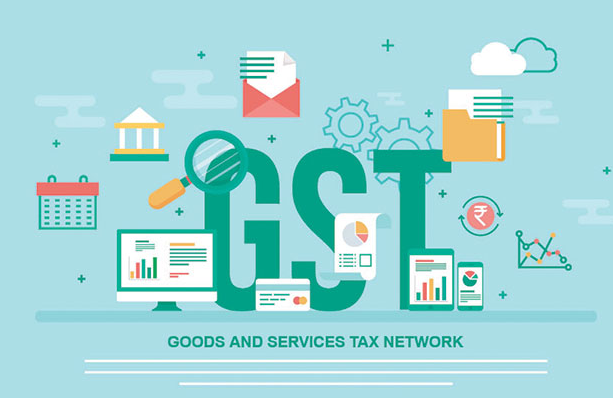
Introduction: A New Era of Digital Taxation in India
India’s financial ecosystem has undergone a dramatic transformation over the past decade, shifting from fragmented tax structures to a unified digital framework. This shift has not only modernized tax administration but also reshaped how businesses interact with government systems on a daily basis.
At the center of this transformation lies a powerful digital backbone known as the goods and services tax network. It acts as the technological foundation that connects taxpayers, authorities, and financial systems into one integrated platform.
Earlier, businesses had to deal with multiple taxes, complex paperwork, and inconsistent filing systems across states. Today, everything operates through a centralized digital mechanism that ensures accuracy, transparency, and speed.
This evolution has created a more structured economy where compliance is not just mandatory but also significantly easier to manage.
The Evolution of India’s Tax Digitalization Journey

India’s transition to a digital tax ecosystem did not happen suddenly. It was the result of years of reform aimed at simplifying indirect taxation and improving revenue efficiency.
Before digitization, businesses faced multiple challenges such as varying tax rates, overlapping regulations, and manual filing systems. This often resulted in confusion and delays.
The introduction of a unified system marked a turning point in financial governance. With the implementation of the goods and services tax network, India moved toward a single tax structure that replaced multiple indirect taxes.
This change brought uniformity across states, eliminated tax barriers, and created a seamless national market for goods and services.
More importantly, it laid the foundation for a digital-first taxation approach where automation replaced manual intervention.
How the Digital Tax Ecosystem Operates
The modern tax system in India functions through a highly automated and interconnected framework. Every transaction made by a registered business is recorded digitally and verified in real time.
When an invoice is generated, it is uploaded into the system, where it is matched with corresponding records from buyers and sellers. If there is any mismatch, the system immediately flags it for correction.
This real-time validation ensures that errors and fraudulent claims are minimized significantly.
The goods and services tax network plays a crucial role in enabling this seamless flow of data by connecting all stakeholders through secure digital channels.
It ensures that tax compliance is no longer a manual burden but an automated process integrated into daily business operations.
Digital Infrastructure and System Architecture
India’s tax platform is built on a robust and scalable digital architecture designed to handle millions of transactions daily without disruption.
The system is structured into multiple layers that work together efficiently:
Data Input Layer
Businesses upload invoices, returns, and financial data through secure online portals.
Validation Layer
All data is checked for accuracy, duplication, and compliance requirements.
Processing Layer
Validated data is processed in real time to generate reports and summaries.
Storage Layer
All financial records are securely stored for audits, analysis, and compliance tracking.
Analytics Layer
Authorities use advanced analytics to identify trends, risks, and revenue insights.
At the core of this architecture is the goods and services tax network, ensuring smooth communication between all layers.
This structure allows the system to scale efficiently while maintaining high levels of accuracy and security.
Real-World Benefits for Businesses and Government
The digital tax system has created a wide range of benefits for both businesses and government authorities.
For businesses, compliance has become faster and more predictable. Automated filing reduces the need for manual accounting and minimizes human errors.
Refund processes have also become quicker, improving cash flow for companies across industries.
From the government’s perspective, the system has significantly improved tax collection efficiency. Real-time data allows authorities to monitor transactions and detect discrepancies more effectively.
The goods and services tax network ensures that this entire ecosystem functions smoothly, enabling seamless interaction between taxpayers and authorities.
This has also increased transparency in financial reporting, strengthening trust in the system.
Table: Comparison of Old vs Modern Tax Systems
| Feature | Traditional Tax System | Modern Digital Tax System |
|---|---|---|
| Filing Process | Manual paperwork | Automated online filing |
| Speed of Processing | Slow and delayed | Real-time processing |
| Accuracy | Error-prone | Highly accurate |
| Transparency | Limited visibility | Full transparency |
| Compliance Effort | High administrative burden | Minimal effort |
| Data Management | Decentralized | Centralized and secure |
Challenges in Digital Tax Implementation
Despite its success, the digital tax system still faces several challenges that need continuous improvement.
One of the biggest issues is digital literacy among small business owners. Many still struggle with understanding complex compliance requirements.
Technical challenges such as system downtime during peak filing periods can also create temporary disruptions.
Additionally, rural areas face connectivity issues that sometimes hinder smooth system access.
However, ongoing upgrades to the goods and services tax network are addressing these challenges by improving system stability, user experience, and accessibility.
Continuous innovation is ensuring that the system becomes more inclusive and user-friendly over time.
Impact on Small and Medium Enterprises (SMEs)
Small and medium enterprises have experienced one of the most significant transformations under the digital tax system.
Earlier, SMEs often struggled with compliance due to limited resources and lack of technical expertise. Today, digital tools and automated systems have made tax filing far more accessible.
Businesses can now generate invoices, track payments, and file returns through simple interfaces without requiring advanced accounting knowledge.
The structured framework provided by the goods and services tax network ensures that SMEs are fully integrated into the formal economy.
This integration has helped many small businesses scale operations while maintaining compliance with minimal effort.
Economic Impact and National Growth
The introduction of a unified digital taxation system has had a profound impact on India’s overall economic growth.
It has expanded the tax base by bringing more businesses into the formal economy, increased government revenue, and improved financial transparency.
Foreign investors also view India’s streamlined tax system as a positive sign of economic stability and governance efficiency.
Digital tax infrastructure has also reduced corruption opportunities by minimizing human intervention in tax processes.
Overall, this system has strengthened India’s position as a digitally progressive economy.
Key Insight Highlight
Digital tax systems can reduce compliance costs by up to 40% for businesses while significantly improving accuracy and reporting speed.
Future of Digital Taxation in India
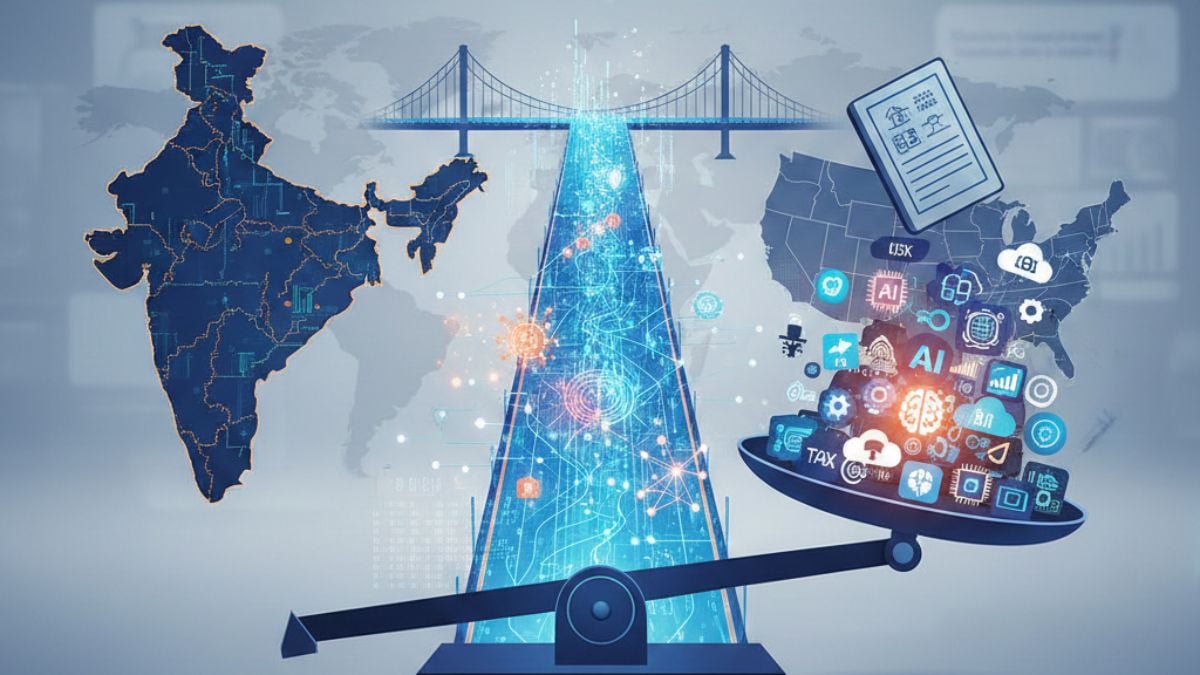
The future of taxation in India is expected to become even more intelligent and automated.
Artificial intelligence will play a major role in detecting anomalies, predicting tax trends, and assisting businesses with compliance.
Blockchain technology may also be introduced to create tamper-proof transaction records, increasing transparency even further.
Machine learning algorithms could help automate audits and reduce the need for manual verification.
These advancements will make tax compliance more efficient, predictive, and user-friendly.
Role in Strengthening Financial Governance
The digital tax ecosystem has significantly strengthened financial governance in India by ensuring transparency and accountability at every level.
Government authorities now have access to real-time data, allowing them to make informed policy decisions.
This has improved budget planning, resource allocation, and economic forecasting.
The goods and services tax network remains the central pillar of this entire framework, ensuring that all systems remain interconnected and efficient.
Its role in maintaining stability and consistency across the taxation ecosystem cannot be overstated.
FAQs
1. What is the purpose of India’s digital tax system?
It simplifies tax filing, increases transparency, and automates compliance processes for businesses.
2. Who is required to use it?
All registered taxpayers, including businesses and eligible individuals, must comply.
3. Is it mandatory for SMEs?
Yes, most SMEs under the applicable threshold must use the digital system.
4. What happens if errors occur in invoices?
The system flags mismatches automatically, requiring correction before final submission.
5. Is the system secure?
Yes, it uses advanced encryption and secure servers to protect financial data.
6. Can rural businesses use it easily?
Yes, although internet access remains a challenge in some areas, improvements are ongoing.
Conclusion: The Future of Seamless Tax Compliance
India’s transition to a fully digital taxation system represents one of the most significant administrative reforms in modern history. It has simplified compliance, improved transparency, and strengthened financial governance across the country.
Businesses now benefit from faster processes, reduced errors, and improved financial management tools. Governments, in turn, enjoy better revenue collection and real-time monitoring capabilities.
At the heart of this entire transformation, the goods and services tax network has played a critical role in ensuring smooth coordination, reliable data flow, and efficient system performance.
As India continues to advance technologically, this system will only become more intelligent, automated, and accessible—paving the way for a more efficient and transparent economic future.
Read More:-How Forest Protection Laws Shape Sustainable Development Today Guide!