Smart Coverage Choices for Drivers Facing Liability Risks Today


Introduction
Auto insurance can feel like a stack of confusing terms, numbers, and conditions until the day you actually need it. Then every line in the policy suddenly matters. One of the most important sections in nearly every vehicle insurance policy is bodily injury & property damage liability. It is the part designed to protect you financially when you cause harm to other people or damage their property in an accident.
Many drivers buy insurance simply because it is legally required. Others compare only monthly premiums and choose the cheapest option available. While saving money is understandable, focusing only on price can create serious problems later. If you are involved in a costly accident and your limits are too low, the unpaid portion of claims may come from your own income, savings, or assets.
That is why understanding liability protection is essential. It helps you make better choices before an accident happens. In this complete guide, you will learn what liability coverage means, how limits work, why minimum coverage may not be enough, and how to choose a smarter level of protection for your situation.
Liability insurance pays for injuries or property losses you cause to others in a covered accident, up to your policy limits.
What Liability Coverage Really Means
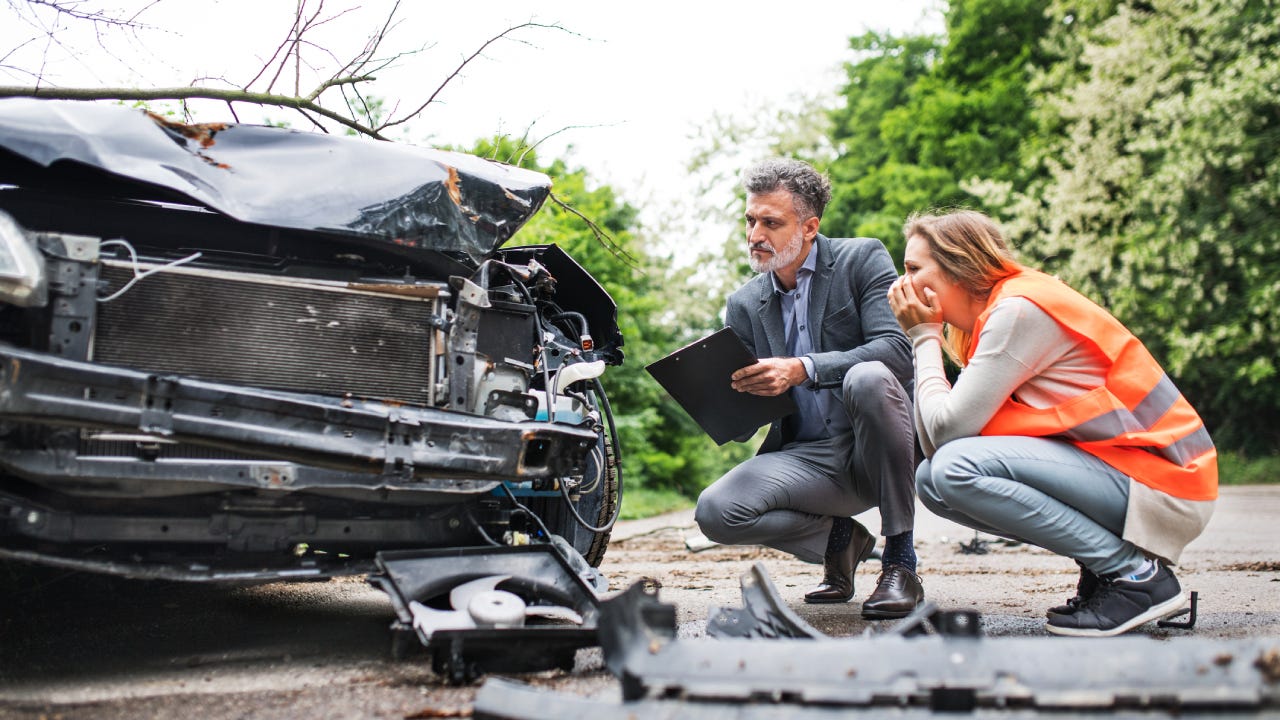
When insurers talk about liability, they mean your legal responsibility for damage or injury caused to another person. If you are found at fault in a collision, the other party may seek compensation for medical costs, repair bills, lost wages, pain and suffering, or legal expenses. Liability coverage exists to handle these claims within the limits of your policy.
The phrase bodily injury & property damage liability combines two important protections. One addresses harm to people. The other addresses damage to physical things such as vehicles, fences, buildings, or equipment. These protections are often packaged together because many accidents involve both injuries and property loss at the same time.
Imagine rear-ending another car at a traffic signal. The driver suffers neck pain and goes to the hospital. Their vehicle’s bumper, trunk, and sensors are damaged. In one event, there may be injury claims and repair claims. Liability coverage is built for exactly this kind of situation.
Without adequate limits, even a routine accident can become a major financial setback.
Why This Coverage Matters So Much
Many people assume accidents are small events involving minor dents and quick repairs. Unfortunately, that is not always reality. Medical care is expensive. Vehicle parts cost more than many drivers realize. Modern cars include cameras, sensors, radar systems, and electronic components hidden behind bumpers and mirrors. A crash that looks minor can create thousands in repair costs.
The same is true for injury claims. A sore neck may lead to doctor visits, imaging tests, physical therapy, medication, or time away from work. If several people are involved, costs multiply quickly.
This is why bodily injury & property damage liability deserves more attention than many optional add-ons. It is not cosmetic coverage. It is one of the most important financial protections inside an auto policy.
If you own a home, maintain savings, earn regular income, or simply want peace of mind, strong liability limits matter.
Understanding the Two Main Components
Bodily Injury Liability
This portion helps pay for injuries suffered by others when you cause an accident. Depending on policy terms and local laws, it may help cover emergency treatment, hospital stays, surgery, rehabilitation, lost wages, pain and suffering, and legal defense costs.
If multiple people are injured in one accident, the claim total can rise dramatically. A single highway collision involving several passengers may produce costs far beyond what drivers expect.
Because medical expenses continue to rise in many regions, bodily injury limits are often the most important numbers in the policy.
Property Damage Liability
This portion helps pay for physical damage you cause to someone else’s property. Most people think only of another vehicle, but property claims can involve far more than that.
Examples include damaged fences, storefront windows, utility poles, parked cars, landscaping walls, garage doors, mailboxes, motorcycles, bicycles, or road signs.
The phrase bodily injury & property damage liability becomes easier to understand when you remember this: one part is for people, one part is for things.
How Policy Limits Work
Most insurers display liability coverage using three numbers such as:
50 / 100 / 50
This often means:
- $50,000 maximum bodily injury coverage for one injured person
- $100,000 total bodily injury coverage for the entire accident
- $50,000 maximum property damage coverage for the accident
So if one person suffers $70,000 in covered damages, the policy may only pay up to the per-person limit. If multiple people are injured, the total accident limit applies. Property claims are handled separately up to the property damage amount.
Some insurers also offer a Combined Single Limit, often called CSL. Instead of splitting amounts into separate categories, one larger total amount can be used across injuries and property damage.
When reviewing bodily injury & property damage liability, understanding these numbers is critical. The cheapest policy may simply have very low limits.
Why Minimum Coverage Is Often Risky
Legal minimum insurance exists to satisfy state or regional law. It does not necessarily exist to fully protect drivers from real-world claim costs. In many places, minimum limits were created years ago and may not reflect modern repair prices or healthcare expenses.
Imagine causing an accident involving a newer SUV with advanced sensors, one injured driver, and damage to roadside barriers. Minimum limits may be exhausted quickly. After that, the remaining costs may become your responsibility.
This is where many drivers are surprised. They thought they were “fully insured” because they met legal requirements. In truth, they were only minimally insured.
Choosing stronger bodily injury & property damage liability can often cost far less than people expect, especially when spread across monthly payments.
Real Accident Costs Have Changed
Vehicles today are more expensive to repair than older models. Bumpers often contain cameras, parking sensors, radar modules, and hidden brackets. Windshields may include safety technology requiring recalibration after replacement. Paint systems are more complex. Labor rates have increased.
Medical costs have also climbed. Emergency room visits, imaging scans, specialist care, rehabilitation, and missed work income can turn a modest injury into a significant claim.
This means the value of bodily injury & property damage liability has increased over time. Old coverage choices may no longer match today’s costs.
Who Should Consider Higher Limits
Drivers with little to lose sometimes assume low limits are fine. But lawsuits can target future wages and long-term earnings in some cases. Stronger protection can be valuable for almost anyone.
Higher limits are especially wise if you:
- Own a home
- Have savings or investments
- Operate a business
- Commute daily in traffic
- Drive with family passengers often
- Have teenage drivers in the household
- Live where medical or repair costs are high
The more financial stability you build, the more important it becomes to protect it.
Common Scenarios That Create Claims
Rear-End Collision in Traffic
You glance away for a moment and strike the car ahead. The other driver reports neck pain. Their rear bumper, liftgate, sensors, and taillights are damaged.
What looked minor may become an expensive claim involving both injuries and repairs.
Parking Lot Mistake
You misjudge a turn and hit a parked truck, then slide into a storefront wall. Now there are vehicle repairs and commercial property damage.
Wet Road Multi-Car Crash
You lose traction and trigger a chain reaction involving several vehicles. Multiple people seek treatment.
This is when bodily injury & property damage liability becomes extremely valuable.
How to Choose the Right Amount
There is no universal perfect number, but there are practical ways to decide.
First, consider what you need to protect. If you have growing savings, stable income, or property ownership, low limits may not make sense.
Second, compare premium differences between limit levels. Many drivers are surprised that increasing limits costs less than expected.
Third, think about your driving exposure. Long commutes, crowded roads, frequent travel, and multiple household drivers increase accident risk.
For many households, moderate-to-strong bodily injury & property damage liability limits offer better long-term value than bare minimum coverage.
Sample Coverage Comparison
| Liability Level | Best Use Case | Protection Strength | Cost Trend |
|---|---|---|---|
| State Minimum | Legal compliance only | Low | Lowest |
| 50/100/50 | Budget-focused drivers | Basic | Low |
| 100/300/100 | Balanced households | Strong | Moderate |
| 250/500/100 | Higher assets | Very Strong | Higher |
| CSL 500K+ | Broad protection needs | Excellent | Highest |
The best policy is not always the cheapest one. It is the one that protects your finances realistically.
What Liability Usually Does Not Cover

Many people misunderstand what liability insurance is for. It generally does not pay for your own vehicle damage if you caused the crash. That is often handled by collision coverage.
It also may not pay for your own medical bills unless you carry personal injury protection, medical payments coverage, or similar optional benefits depending on where you live.
Intentional damage, fraud, excluded business use, or undisclosed drivers can also create coverage issues.
Understanding what liability does not do is just as important as understanding what it does.
How Claims Are Typically Handled
After an accident, the claims process often begins with reporting the event to the insurer. Photos, witness statements, police reports, and contact details can help.
The insurer investigates fault, reviews damages, examines medical records, and may negotiate settlements. If disputes arise, attorneys or courts may become involved.
Strong bodily injury & property damage liability limits can reduce stress during this process because there is more room to resolve claims properly.
Mistakes Drivers Often Make
One common mistake is buying the cheapest policy every year without reviewing limits. Another is assuming old coverage choices still make sense after income and assets have grown.
Some households forget to update policies when teen drivers start driving regularly. Others fail to shop quotes and assume raising limits will be expensive when it may not be.
Many people also use the phrase “full coverage” without knowing what it means. That phrase has no standard legal definition and often creates confusion.
How to Reduce Premiums Without Sacrificing Protection
The answer is not always lowering liability limits. There are smarter ways to manage cost.
Bundling home and auto policies can create discounts. Maintaining a clean driving record often helps significantly. Reviewing optional coverages and deductibles may free up budget room. Comparing quotes yearly can reveal better value.
Sometimes a modest premium increase can dramatically improve bodily injury & property damage liability, making it one of the smartest upgrades available.
The Importance of Reviewing Your Policy Yearly
Insurance should not be set once and forgotten forever. Life changes. So should protection levels.
Review coverage after buying a home, changing jobs, adding a driver, paying off debt, increasing savings, or purchasing a newer vehicle.
What protected you three years ago may be too little today.
Annual reviews are one of the easiest financial habits drivers can adopt.
Umbrella Insurance as Extra Protection
For households with higher assets or higher perceived risk, umbrella insurance can sit above your standard auto and home liability limits. It activates when base policy limits are exhausted, subject to policy rules.
This can be valuable in severe injury lawsuits where damages exceed ordinary limits.
Umbrella policies are not for everyone, but for many families they provide meaningful extra security at a reasonable cost.
Families With Young Drivers
Adding a teen or young adult driver often increases premiums because insurers view inexperienced drivers as higher risk statistically. Some families react by lowering limits to offset cost.
That can be a dangerous tradeoff.
New drivers benefit from coaching, safe habits, and proper supervision—but households also benefit from stronger bodily injury & property damage liability during those learning years.
Business Use and Side Income Risks
Many people deliver food, drive for platforms, transport goods, or use personal vehicles for side income. Standard personal policies may limit or exclude some business-related uses.
If your vehicle use has changed, speak with your insurer. The wrong policy type can create claim problems at the worst time.
Always make sure your actual driving habits match your coverage.
How Liability Protects Future Earnings

Some drivers focus only on what they own today. But legal judgments may involve future wages or income depending on laws and circumstances.
That means even younger drivers with modest assets should not dismiss strong coverage automatically. Your earning power has value too.
This is another reason bodily injury & property damage liability should be viewed as broader financial protection, not just insurance paperwork.
Questions to Ask Before Renewing
Before your next renewal, ask yourself:
Do my limits reflect today’s repair and medical costs?
Would a serious claim threaten my savings?
How much more would stronger limits cost monthly?
Should I compare quotes from other insurers?
Do I need umbrella protection?
Are all household drivers properly listed?
These simple questions can improve your policy dramatically.
Frequently Asked Questions
Is liability insurance legally required?
In many places, yes. Laws vary by region, but most jurisdictions require at least minimum liability coverage.
Does it cover damage to my own car?
Usually no. Collision coverage is commonly used for your own vehicle repairs after an at-fault accident.
What happens if damages exceed my limits?
You may be personally responsible for amounts above policy limits, depending on circumstances and law.
Should I only buy the minimum required?
Minimum coverage may satisfy the law, but it may not adequately protect your finances.
How often should I review my limits?
At least once a year or after major life changes such as marriage, home purchase, or adding a driver.
Is umbrella insurance worth considering?
Yes, especially for homeowners, professionals, or families with substantial assets.
Conclusion
Accidents happen quickly, but financial consequences can last for years. That is why choosing the right insurance matters so much. While many drivers focus only on monthly premiums, the real value of a policy appears after a crash when injuries, repair bills, and legal claims start arriving.
Strong bodily injury & property damage liability coverage helps protect your savings, income, property, and peace of mind. It can prevent one driving mistake from becoming a life-changing financial burden.
Do not wait until after an accident to discover your limits are too low. Review your policy now, compare better options, and choose protection that matches the life you have worked hard to build. A smarter decision today can save you from enormous stress tomorrow.